Dust on a vent cover is easy to spot, but the buildup inside the ductwork stays out of sight. Debris can cling to interior surfaces and accumulate deep within the HVAC system, where household vacuum cleaners cannot reach. Removing it requires specialized equipment that lets technicians inspect concealed areas, loosen accumulated material, and extract it without spreading dust throughout the home.
Air duct cleaners in NYC use different tools for different parts of the job, including inspection cameras, HEPA-filtered collection systems, rotary brushes, and compressed-air devices. Each tool serves a specific purpose, from checking duct conditions to cleaning stubborn deposits and capturing fine particles. The equipment used depends on the system’s design and the cleaning required.
Inspection Cameras
Reaching deep into ductwork requires a flexible inspection device with a compact lens and a light source to illuminate dark interiors. Mounted on a bendable cable, the camera transmits live footage to a connected screen, allowing air duct cleaners to examine seams, joints, interior surfaces, and narrow sections. The images can reveal dust deposits, loose debris, damaged duct lining, and signs of possible mold growth. Recording features on some models also let technicians save footage to document the condition of the ductwork.
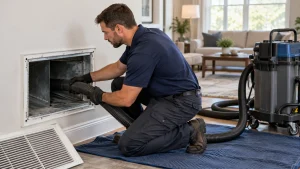
HEPA-Filtered Vacuum Systems
High-powered vacuum systems create strong suction to collect heavy material from ductwork and pass the extracted air through HEPA filtration. Properly designed HEPA systems capture at least 99.97% of particles measuring 0.3 microns, helping prevent fine airborne contaminants from escaping back into indoor spaces. Different vacuum configurations offer specific advantages depending on the cleaning requirements and the property layout:
- Negative-pressure control: Maintains inward airflow that helps contain contaminants during duct cleaning.
- Portable and truck-mounted units: Offer different capacities and setups to suit the building and duct system.
- Sealed filtration systems: Direct collected air through the intended filtration path, reducing the risk of unfiltered air leaking back into the property.
Read More: How to Choose the Best Air Duct Cleaning Company in NYC
Negative Air Machines
Keeping airborne contaminants from spreading into other rooms is an important part of duct cleaning. Negative air machines use powerful fans to draw air out of the enclosed work area, creating inward airflow that helps prevent disturbed particles from escaping into the home. These machines help maintain containment through two key functions: controlling airflow and filtering airborne contaminants.
Controlling Airflow
Steady suction draws surrounding air toward the work zone, preventing contaminated air from escaping through gaps in the enclosure. Proper placement and suitable fan capacity help maintain this directional flow throughout the job.
Filtering Airborne Contaminants
Built-in filters capture particles carried through the unit before the filtered air is released. This additional layer of containment helps limit the spread of contaminants beyond the immediate work area.
Brushes and Agitation Tools
Air duct cleaners in NYC use brushes with different designs to suit duct materials, interior surfaces, and system layouts. Choosing the right tool matches the cleaning action to the surface without causing unnecessary damage. The table below compares common brush types and their specific uses:
| Tool | Purpose |
| Rotary brushes | Scrub and loosen stubborn buildup from duct surfaces |
| Soft-bristled brushes | Clean delicate liners while reducing the risk of surface damage |
| Air-driven agitation tools | Dislodge material from sections that are difficult to reach manually |
| Flexible brushes | Reach bends, corners, and other curved sections inside ductwork |
Air Whips and Compressed-Air Tools
Unlike brush-based equipment, compressed-air tools use directed airflow to agitate material along duct interiors without relying on direct contact with the entire surface. Different attachments control how the air moves and where its force is concentrated. Common options include:
- Air whips: Flexible strands move rapidly under compressed airflow to dislodge deposits from duct surfaces.
- Air nozzles: Direct concentrated airflow toward specific areas that require targeted cleaning.
- Air skipper balls: Specialized air-driven devices move through compatible duct sections, agitating material along the interior
These attachments vary in their movement, reach, and cleaning action, allowing professionals to select equipment suited to your duct layout and conditions.
HVAC Component Cleaning Tools
Several HVAC components require dedicated attachments because their shapes and materials differ from those of duct interiors. Coil fins, blower assemblies, registers, and grilles each have specific cleaning requirements.
Coil Brushes and Fin Combs
Soft coil brushes remove accumulated material from delicate coil surfaces, while fin combs straighten bent fins to help maintain proper airflow. Manufacturer-approved coil-cleaning attachments provide additional options for compatible coil designs.
Blower Brushes and Vacuum Attachments
Dust often settles around fan blades and inside the housing, making these areas difficult to clean with standard tools. Flexible brushes reach around the blades and into tight sections of the housing. Vacuum attachments collect loosened particles as technicians work around the assembly. Tool selection depends on the blower design and the manufacturer’s cleaning recommendations.
Register and Grille Cleaning Tools
Microfiber cloths remove surface residue from registers and grilles, while detailing brushes and crevice attachments reach narrow slots and edges. Compressed-air nozzles offer another option when the component’s material and cleaning requirements permit their use.
Hand Tools and Cleaning Supplies
Smaller tools handle the practical tasks that larger cleaning machines cannot perform on their own. Common examples include:
- Screwdrivers and nut drivers: Loosen and refasten screws and fasteners on access panels, registers, and grilles.
- Inspection mirrors: Reflect light into tight spaces to help check surfaces that are difficult to view directly.
- Protective coverings: Shield nearby furnishings and finished surfaces from contact with equipment or loosened material.
- Duct access tools: Help create or prepare access openings when existing entry points do not provide sufficient reach.
Items for Protecting Surrounding Areas
The EPA advises protecting carpets and household furnishings during air duct cleaning to prevent them from being affected by the work. Different coverings serve specific purposes depending on the layout of the work area. Common protective items include:
| Items | What it does |
| Drop cloths | Cover floors beneath work areas and equipment |
| Plastic sheeting | Shield furniture and nearby surfaces |
| Register covers | Cover selected vents or openings when appropriate for the cleaning setup |
| Containment barriers | Separate the work area and limit the movement of airborne particles |
Also Read: How Air Duct Cleaning Improves HVAC Efficiency
How Do Professionals Choose the Right Equipment?
Each duct cleaning job has different requirements, so technicians assess the property and HVAC system before deciding which equipment suits the task. Air duct cleaners in NYC consider several factors when making that decision:
- Duct Material: Professionals match tool designs to the materials used in the ductwork to avoid unnecessary surface damage.
- System Layout: The arrangement of duct branches and connections influences which equipment suits the system’s configuration.
- HVAC Specifications: System dimensions and manufacturer recommendations guide equipment selection for individual components.
- Type of Buildup: The nature and condition of accumulated material determine which cleaning method is appropriate.
- Property Requirements: Building size, occupancy, and available workspace influence the practical setup for the job.
Get Your Air Ducts Cleaned the Right Way
Proper air duct cleaning requires the right equipment for each part of your HVAC system, from the ductwork itself to delicate internal components. Using suitable tools helps remove accumulated buildup while protecting your system and surrounding areas. The NYC Air Duct Cleaning uses professional-grade equipment selected for your system’s needs. Our team takes a tailored approach to each job instead of treating every property the same. Contact us today to schedule professional air duct cleaning in NYC.
Frequently Asked Questions
Is a regular shop vacuum enough to clean air ducts?
Regular shop vacuums have limited reach and suction compared with professional duct-cleaning systems. They may remove loose debris near accessible openings but cannot effectively reach long or enclosed duct runs. Professional equipment is designed to connect to the duct system and collect loosened material more effectively.
Can duct cleaning equipment damage my HVAC system?
Improper equipment selection or handling can damage delicate duct liners, flexible ducts, or internal components. Qualified technicians assess the system’s construction and follow appropriate equipment guidelines to reduce this risk.
Do all air duct cleaning companies use the same equipment?
No, air duct cleaning companies do not all use the same equipment. Some rely on truck-mounted vacuum systems, while others use portable units and different agitation tools based on the HVAC system and cleaning requirements. The equipment selection also depends on duct materials, system design, and access limitations.
Does duct cleaning equipment work on flexible air ducts?
Flexible ducts require equipment suited to their construction because excessive force can damage the inner liner or supporting structure. Technicians should choose cleaning methods based on the duct manufacturer’s recommendations and the duct’s condition.
How can I tell whether a duct cleaning company uses appropriate equipment?
Ask about the equipment planned for your HVAC system, the technicians’ training, and how they protect duct materials during cleaning. Clear explanations and recommendations based on your system are more useful than claims about having the most powerful equipment.
Should I leave my home while air ducts are being cleaned?
Leaving is not always necessary, but the answer depends on the work area, equipment setup, household sensitivities, and the company’s safety procedures. Ask the cleaning provider whether anyone needs to avoid specific rooms during the appointment.