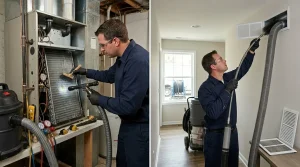
Living in New York City comes with energy, noise, and constant movement. But inside your home, you want the air to feel calm and clean. Your air ducts play a big role in that comfort. They carry air from your HVAC system into every room. When they stay clean, you breathe easier. When they get dirty, you start noticing problems in your home and even in your health.
Many people in NYC forget about air ducts because they stay hidden behind walls and ceilings. But they still collect dust, dirt, and other particles over time. If you learn the warning signs early, you can fix the problem before it gets worse. Have a look at the signs you need air duct cleaning in NYC.
Why Air Duct Cleanliness Matters in NYC Homes
NYC homes deal with a lot more dust and pollution than people expect. Traffic, construction, and crowded buildings all add to indoor air issues. Your HVAC system keeps running all year, so it pulls in air nonstop.
Over time, that air carries:
- Dust from streets and furniture
- Pet hair and dander
- Mold spores from humidity
- Cooking smoke and grease particles
- Tiny debris from building materials
When your ducts stay dirty, all of that keeps circulating through your home. You breathe it in again and again. That is why clean ducts matter more in a busy city like New York.
Also Read: How Does Air Duct Cleaning Work? The Step-by-Step Process
Strange Dust Levels in Your Home
One of the first signs of dirty air ducts shows up as extra dust. You clean your home, but dust comes back quickly. You wipe tables today, and tomorrow you see a thin layer again.
This happens because your ducts push dust into the air every time the system runs. Instead of staying inside the vents, it spreads through your rooms.
You might notice:
- Dust forms on furniture within a day or two
- Dust gathering around the air vents
- Dust floating in sunlight coming through the windows
If cleaning feels useless because dust keeps returning, your ducts likely need attention.
Weak or Uneven Airflow
Your HVAC system should push air evenly through every room. When ducts get clogged with debris, airflow drops.
You may feel this when:
- One room feels warmer or colder than others
- Air barely comes out of certain vents
- Your system runs longer but cools or heats less
This uneven airflow often points to blockages inside the ducts. Dirt and buildup restrict movement, so air struggles to pass through.
If you keep adjusting the thermostat but nothing changes, your ducts may be the reason.
Bad Smells Coming From Vents
Fresh air should feel neutral or slightly clean. If you notice strange smells when your system runs, pay attention.
Dirty air ducts can trap:
- Mold and mildew
- Food smells from kitchens
- Smoke from cigarettes or cooking
- Pet odors
When the system turns on, it pushes those smells back into your rooms.
You might notice:
- A musty smell when the AC or heat starts
- Odors that disappear when the system is off
- Smells that spread across multiple rooms
If your home smells fine until the HVAC kicks in, your ducts likely carry hidden buildup.
Allergy and Breathing Issues at Home
Air quality affects your body more than you think. Dirty ducts often trigger health problems, especially if someone already has allergies or asthma.
You may notice:
- Sneezing more often indoors
- Itchy eyes or throat irritation
- Coughing that gets worse at home
- Headaches without a clear reason
These symptoms often improve when you leave the house. That difference gives you a strong clue that something inside your HVAC system affects your air.
NYC dust and pollution make this even worse because your system pulls in more contaminants than usual.
Visible Dust Around Air Vents
Take a close look at your vents. You can often spot early signs of dirty ducts right there.
Check for:
- Dark dust marks around vent edges
- Clumps of dust inside vent openings
- Small particles blowing out when the system starts
If you wipe the vent and it gets dirty again quickly, the problem likely sits deeper inside the duct system.
This simple check helps you understand the condition of your air without special tools.
Rising Energy Bills Without Explanation
Dirty ducts force your HVAC system to work harder. When airflow gets blocked, the system uses more energy to push air through.
You might see:
- Higher electricity bills without more usage
- Longer heating or cooling cycles
- System turning on and off more often
This happens because the system loses efficiency. It struggles to maintain temperature, so it runs longer and consumes more power.
If your bills keep increasing but your habits stay the same, your ducts might be the hidden cause.
Unusual Noises in the Duct System
Your HVAC system should run with a steady, low sound. If you start hearing unusual noises, pay attention.
Dirty ducts can cause:
- Whistling sounds from restricted airflow
- Rattling from debris inside ducts
- Loud bursts when air pushes through blockages
These sounds usually come and go depending on system pressure. If your vents start sounding different than usual, something likely sits inside the ductwork.
Read More: Why Some Commercial Ducts Get Dirty Faster
Pest Activity Around Vents
In some NYC buildings, pests like insects or rodents enter duct systems. They bring dirt, droppings, and nesting material.
Watch for:
- Small droppings near vents
- Strange scratching sounds in the walls
- Insects flying out of vents
This situation needs fast attention because it affects both cleanliness and safety. Dirty ducts can attract pests, and pests make ducts even dirtier.
What You Should Do Next
If you notice several of these signs, your ducts likely need professional cleaning. NYC buildings collect dust quickly, so regular inspection helps a lot.
You can start by:
- Checking vents in every room
- Watching airflow changes over a few days
- Tracking allergy symptoms at home
- Noticing unusual smells or sounds
A professional cleaning service by The NYC air duct cleaning co. helps remove deep buildup and restore airflow. After cleaning, people feel the difference right away through fresher air and better comfort. Call us now and book an appointment.